


Recognising Indigenous Leadership in Global Pollinator Conservation

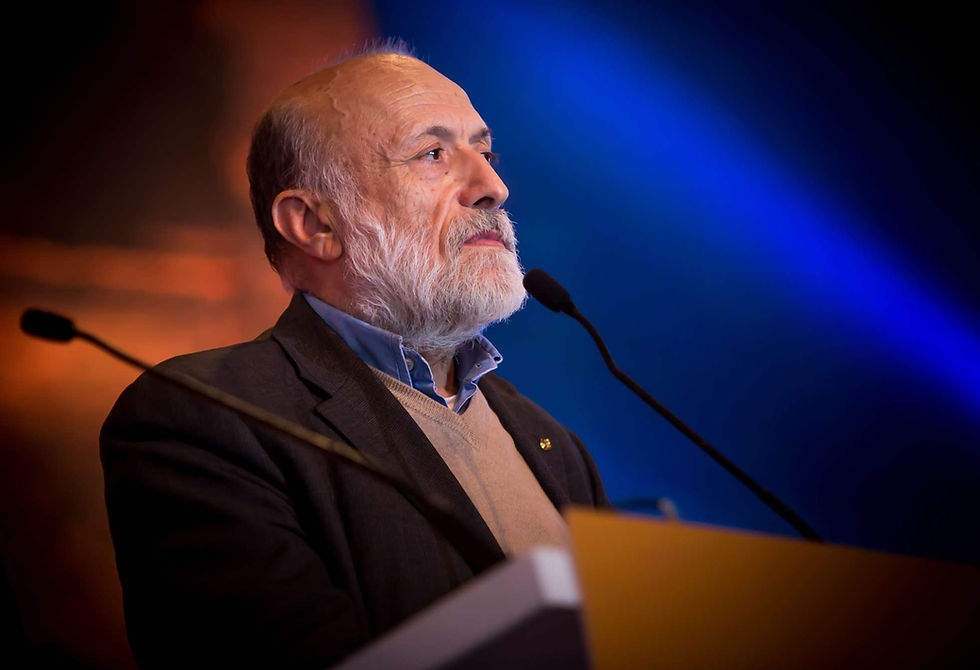
Bah Phrang Roy, Coordinator of The Indigenous Partnership for Agrobiodiversity and Food Sovereignty (TIP), called for the formal and equal participation of Indigenous peoples in the proposed Global Pollinator Platform during the Global Pollinator Conference, held on 5 & 6 November 2026 at the Food and Agriculture Organization of the United Nations (FAO) Headquarters in Rome, Italy.
The Conference brought together FAO Member States, international organisations, scientists, Indigenous Peoples, local communities and other stakeholders to discuss the next steps towards establishing and operationalising a global mechanism for strengthening pollinator conservation and sustainable management.
Speaking at the Conference, Bah Phrang highlighted the vital role of Indigenous Peoples in safeguarding native pollinators through their traditional knowledge, customary institutions and community-led management of ancestral territories. He emphasised that the proposed platform must recognise Indigenous Peoples not merely as beneficiaries or occasional contributors, but as equal partners in shaping global approaches to pollinator conservation, biodiversity protection and food security.
“During the UN Food Systems Summit 2021, we Indigenous Peoples offered ourselves as possible game-changers because we are primary frontline investors in biodiversity. We historically follow a biocentric approach, a worldview that places all living beings at the centre of existence and recognises humans as equal parts of the web of life rather than its masters. Native bee conservation, for Indigenous Peoples, is therefore an inseparable part of how we understand and manage our territories and natural resources", shared Bah Phrang Roy.
He also added, "Any attempt to establish a Global Pollinator Platform without the formal, proactive and equal participation of Indigenous Peoples will be a structural absurdity. Indigenous co-management is not an alternative or experimental conservation strategy; it is the foundational infrastructure upon which local and global pollinator survival and human food security depend."
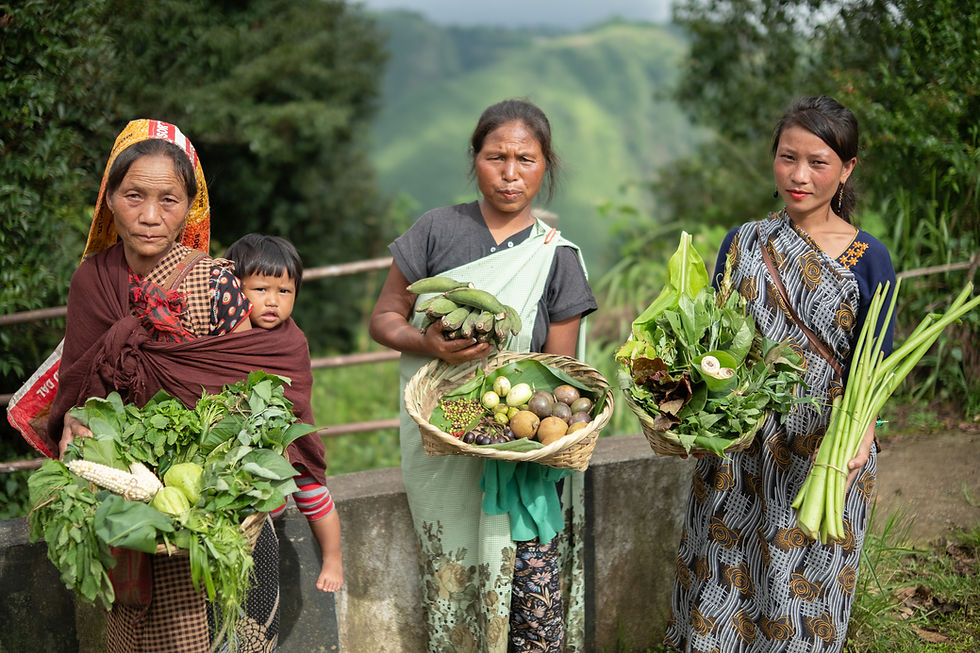
He further drew on examples from the Nilgiri Biosphere Reserve in South India, Meghalaya in Northeast India, and Hin Lad Nai in Northern Thailand to demonstrate how indigenous knowledge and customary practices contribute to the conservation of native bees, the regeneration of biodiversity and the strengthening of local livelihoods.

Comments